Zushi-Hayama etc.002
Reinterpreting the House Form as an Archetypal Device of Inhabitation
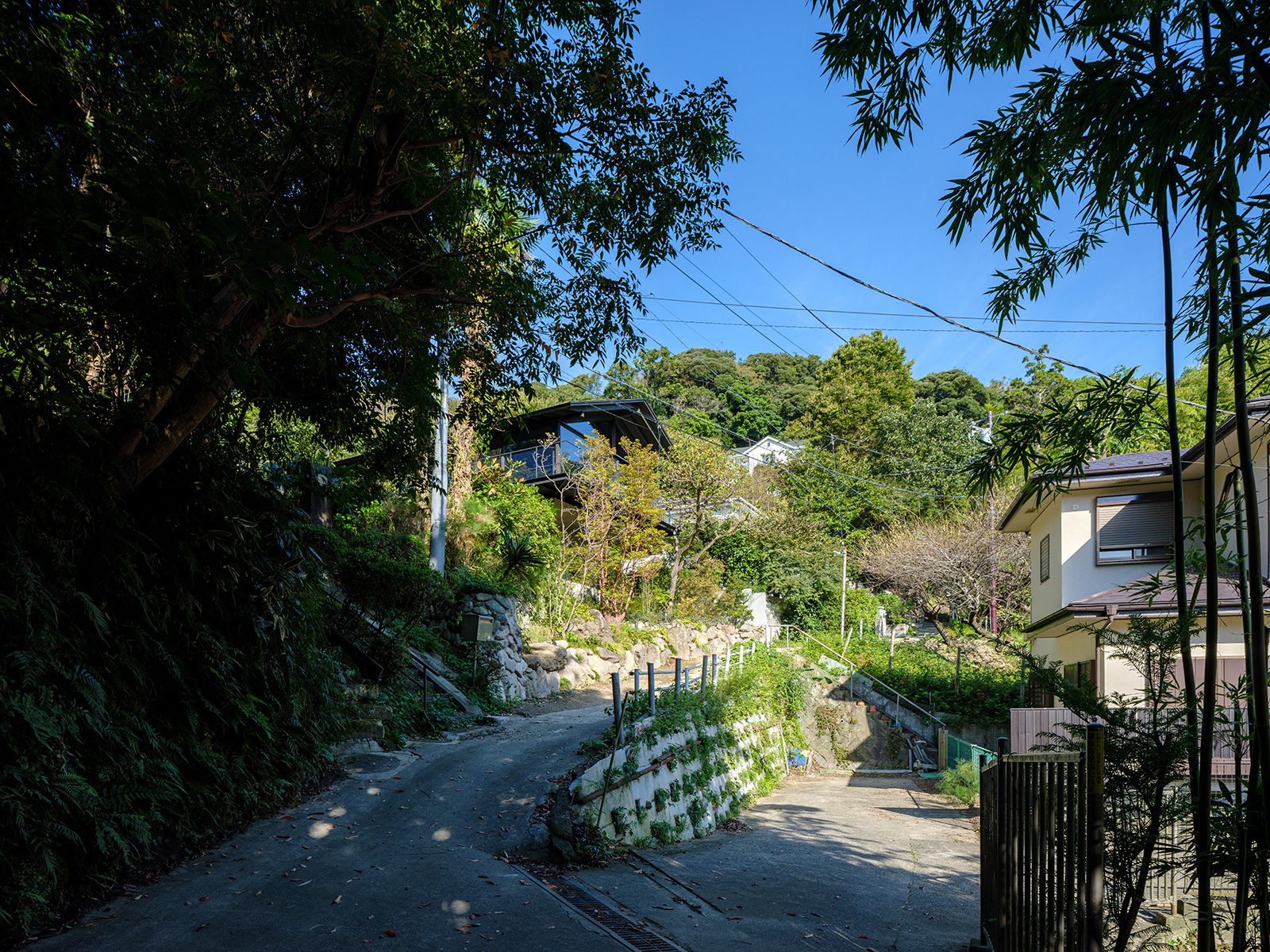
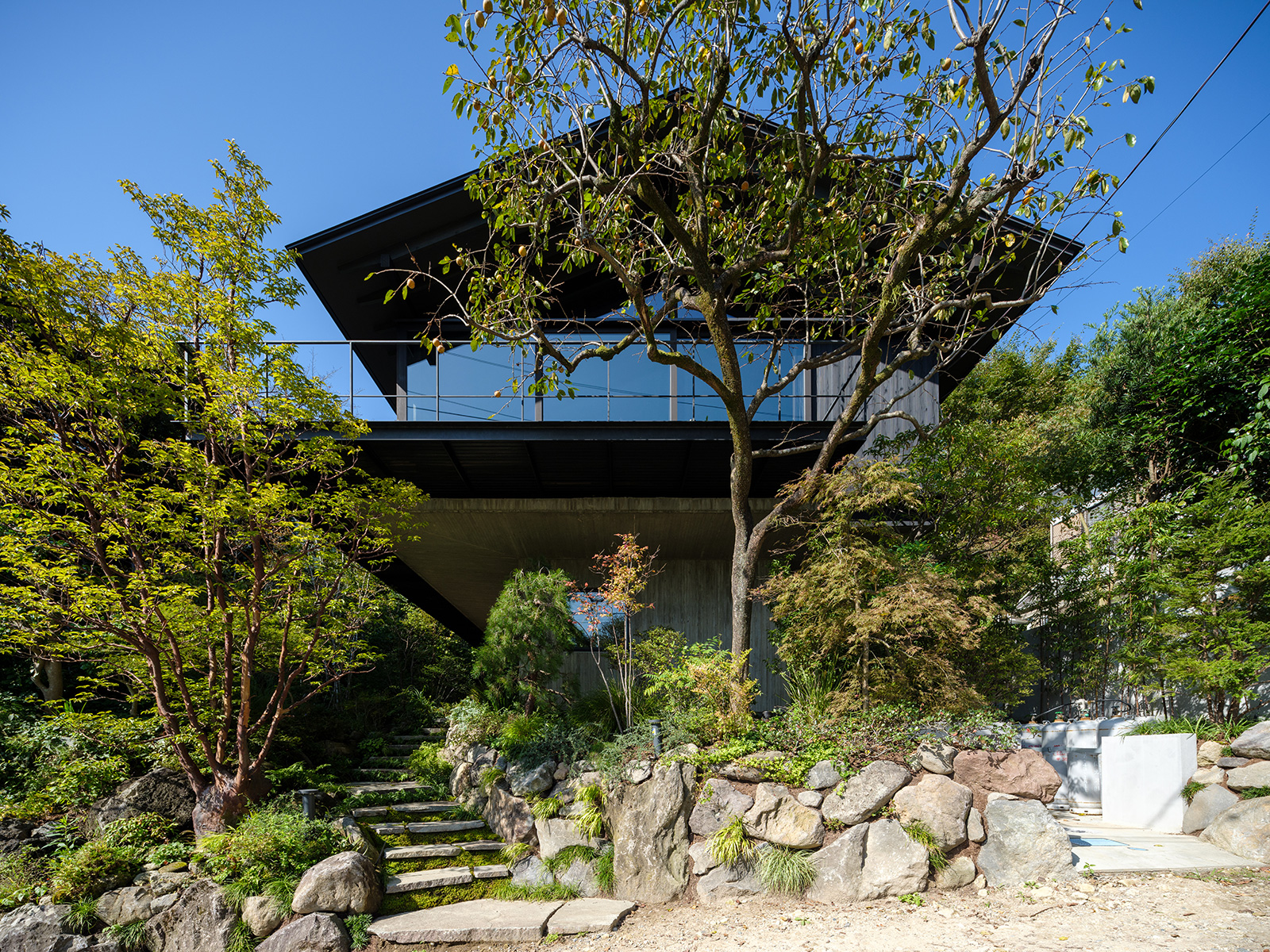
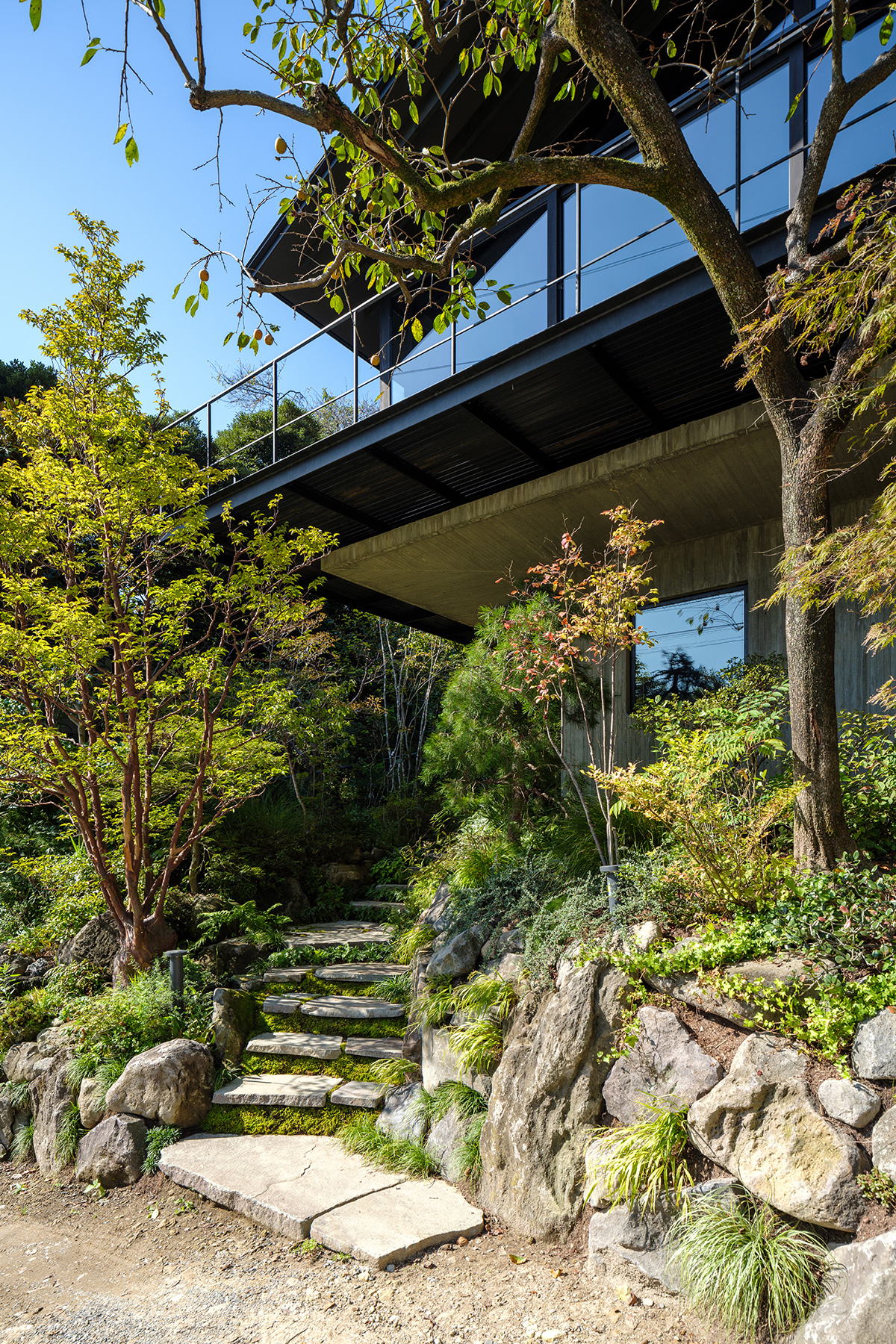
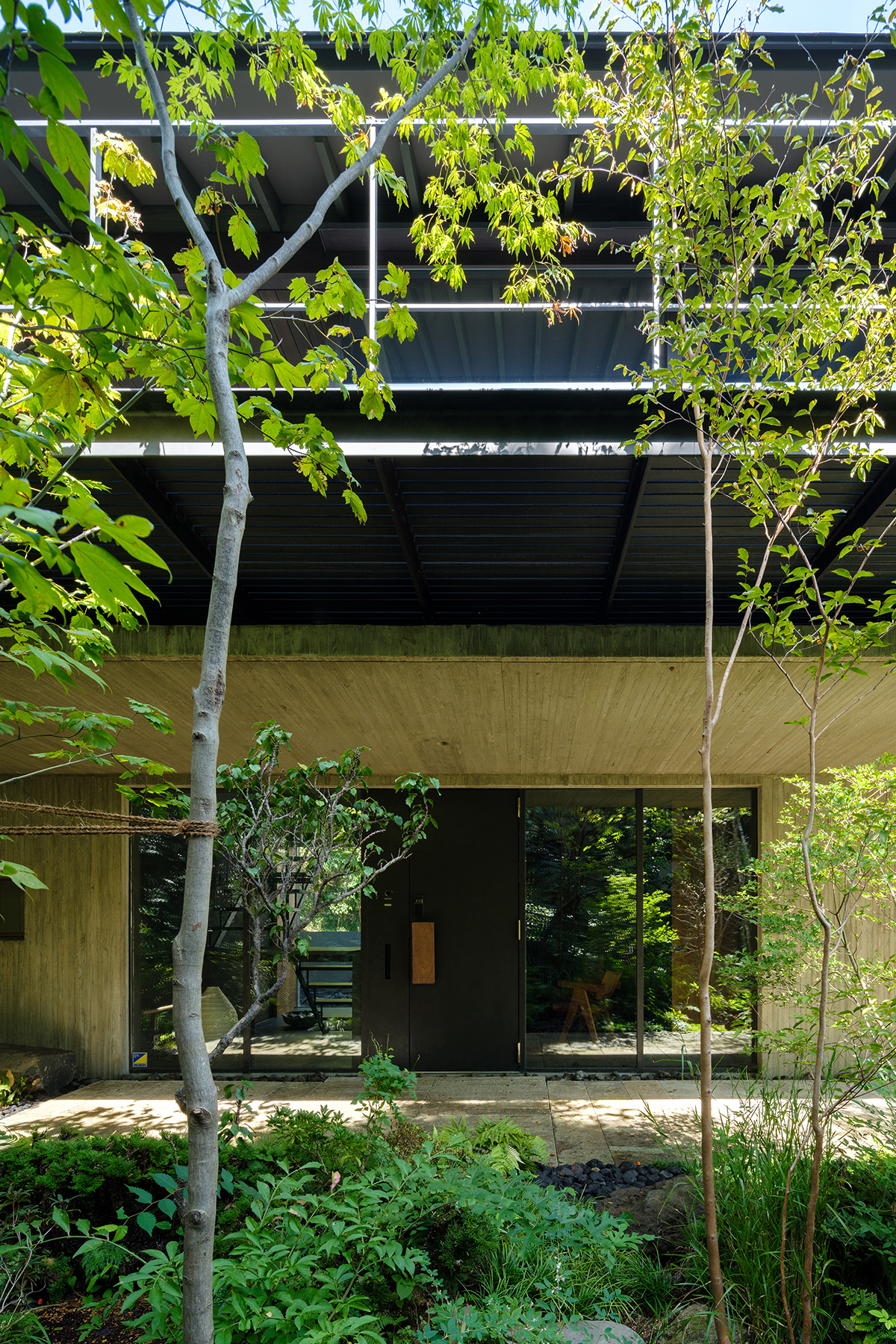
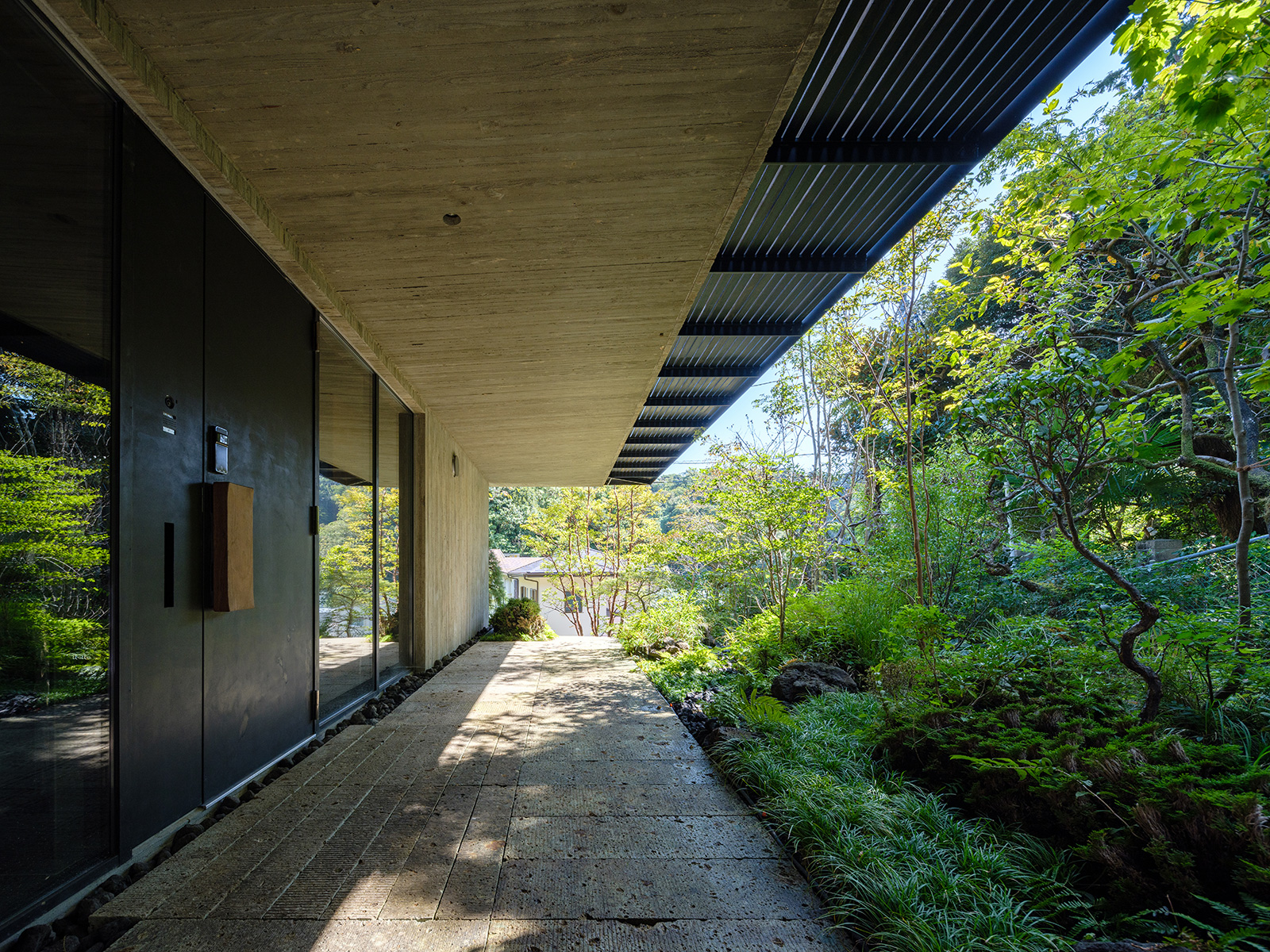
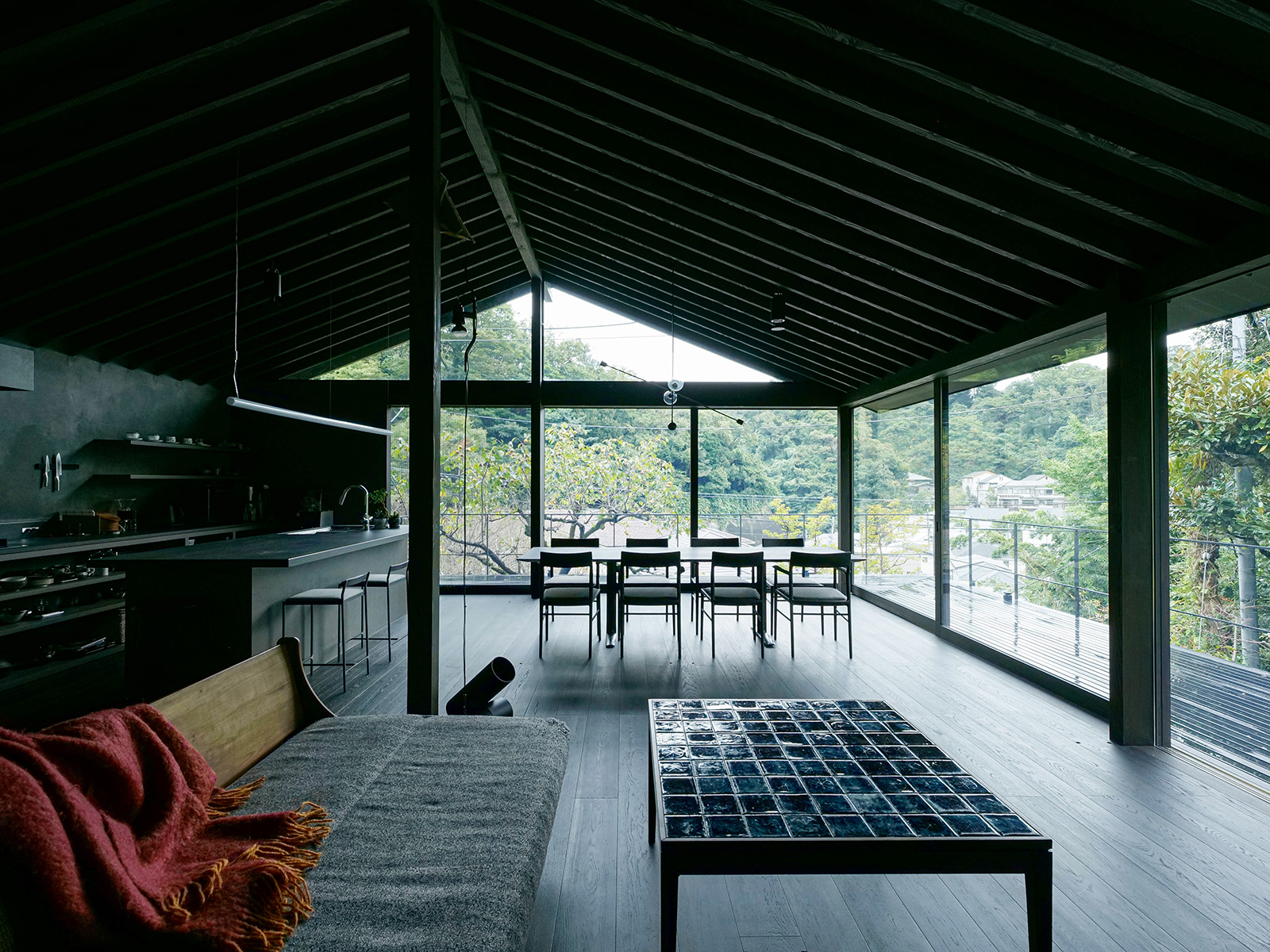
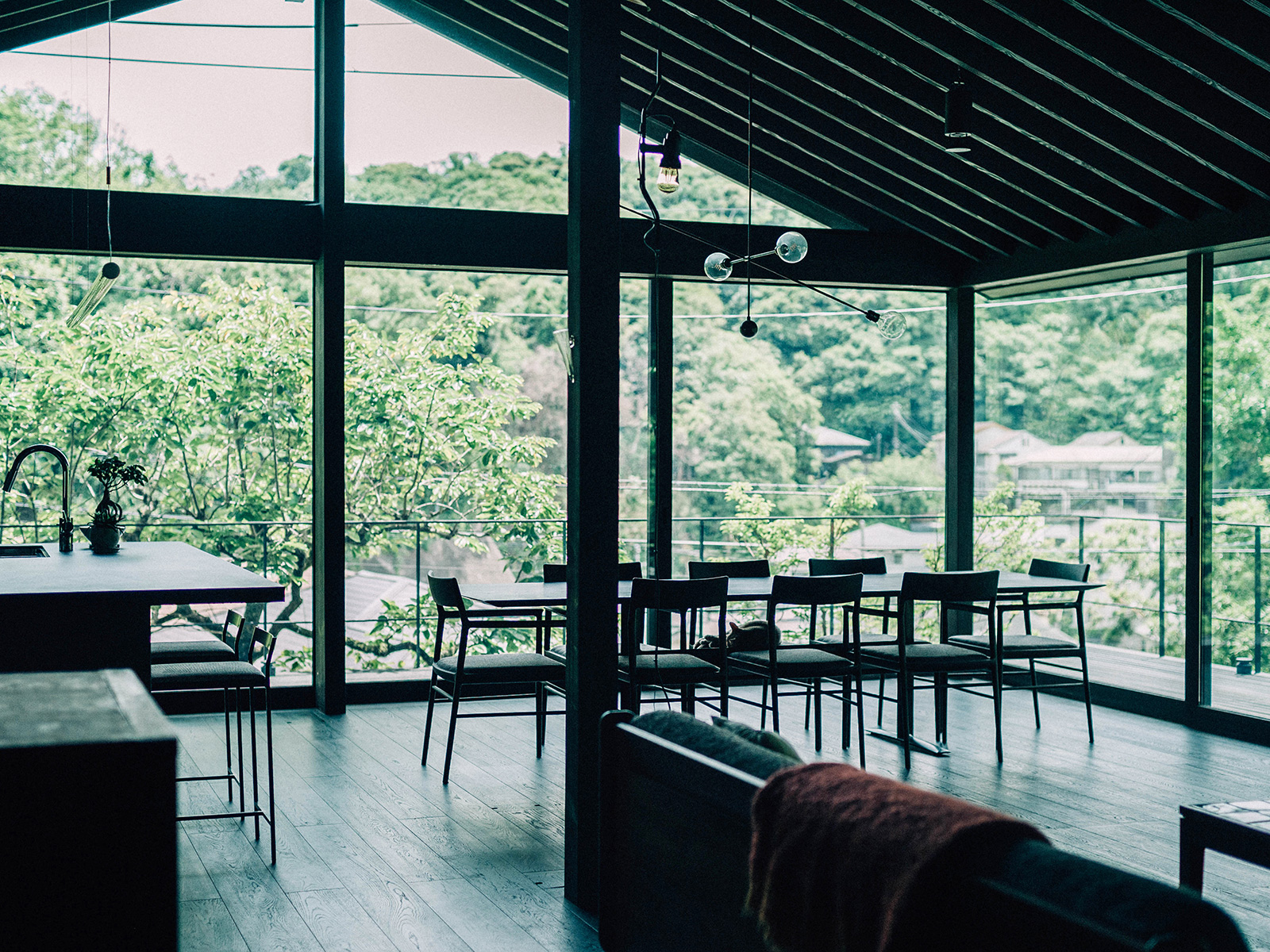
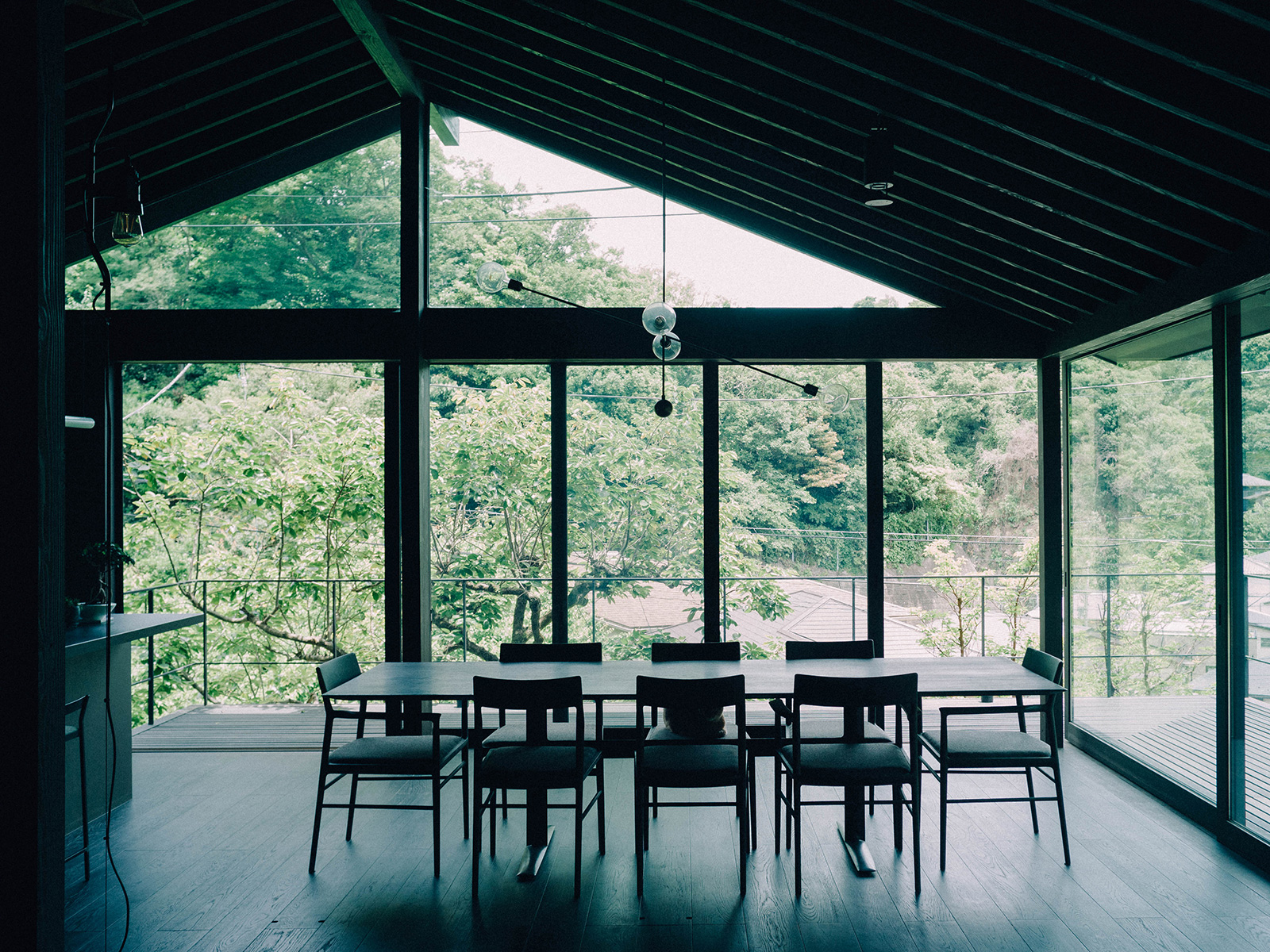
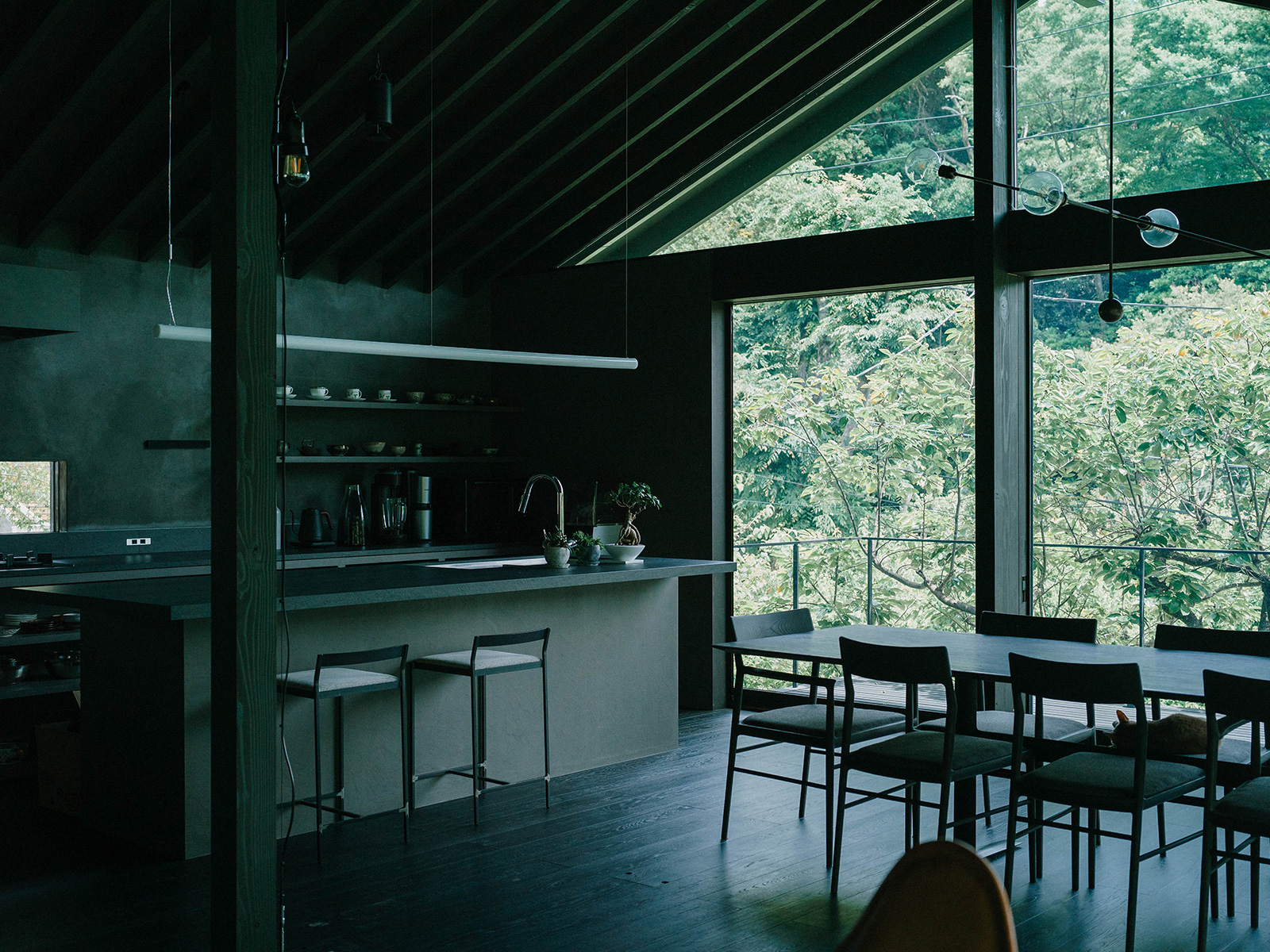
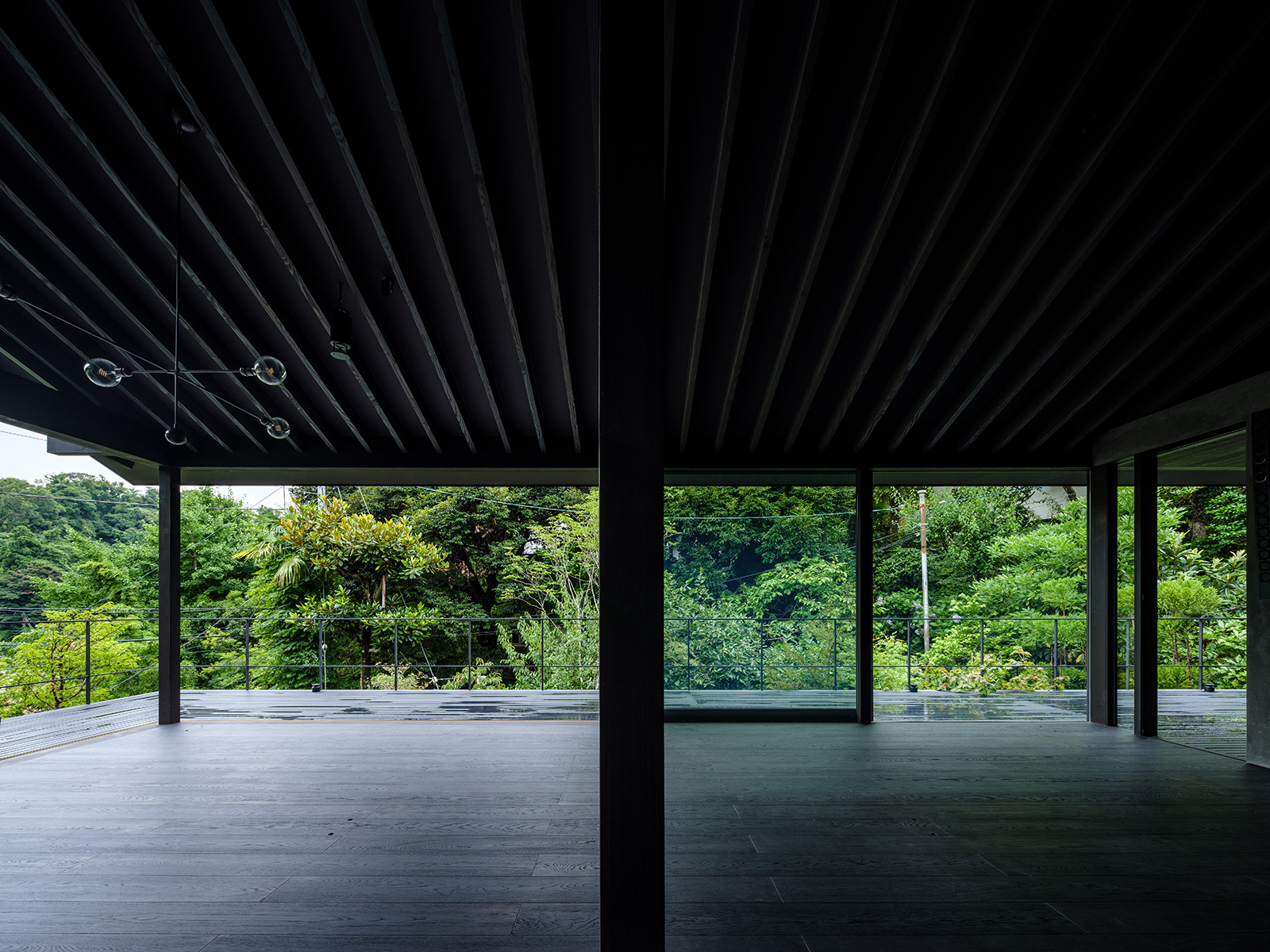
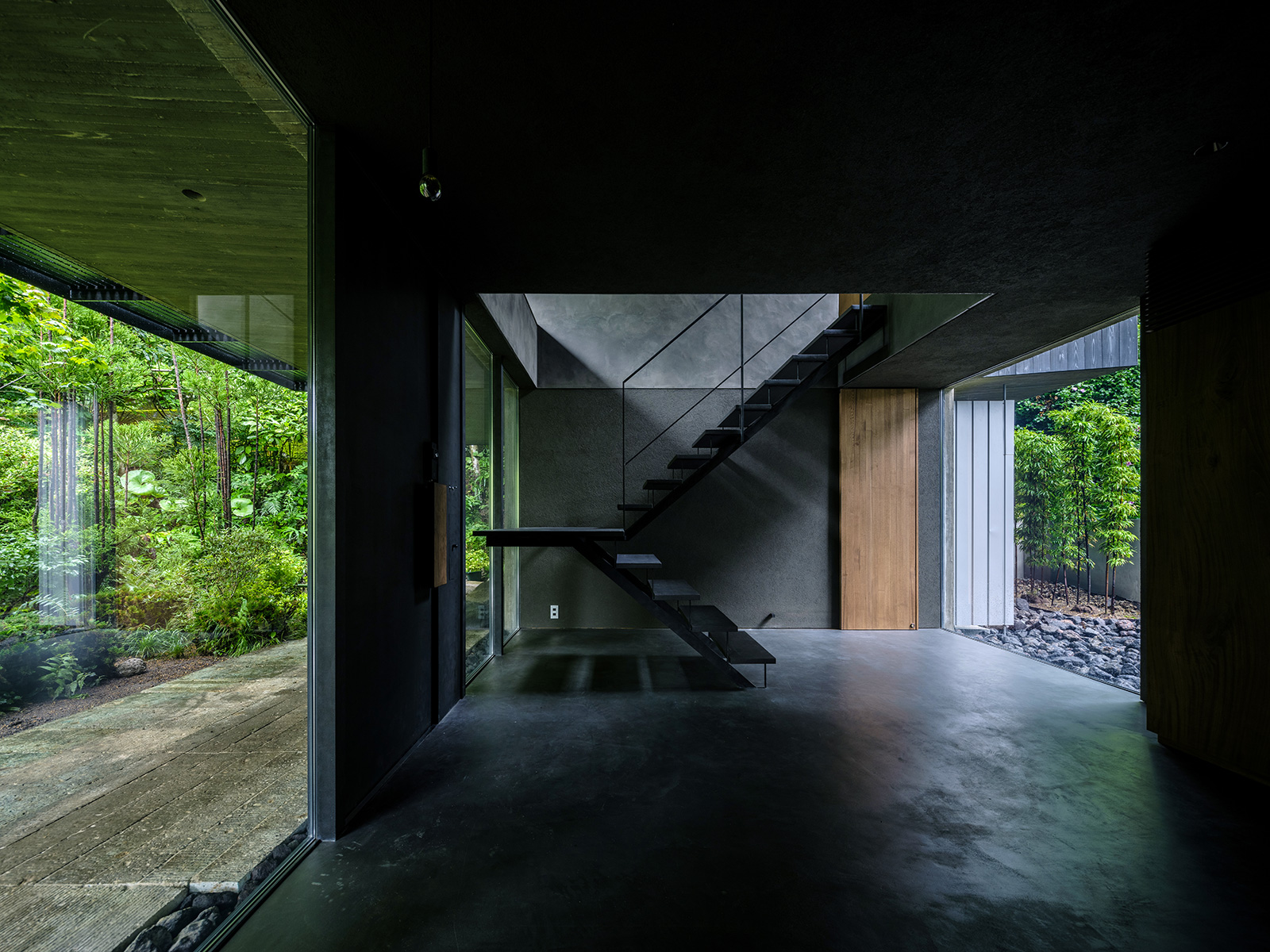
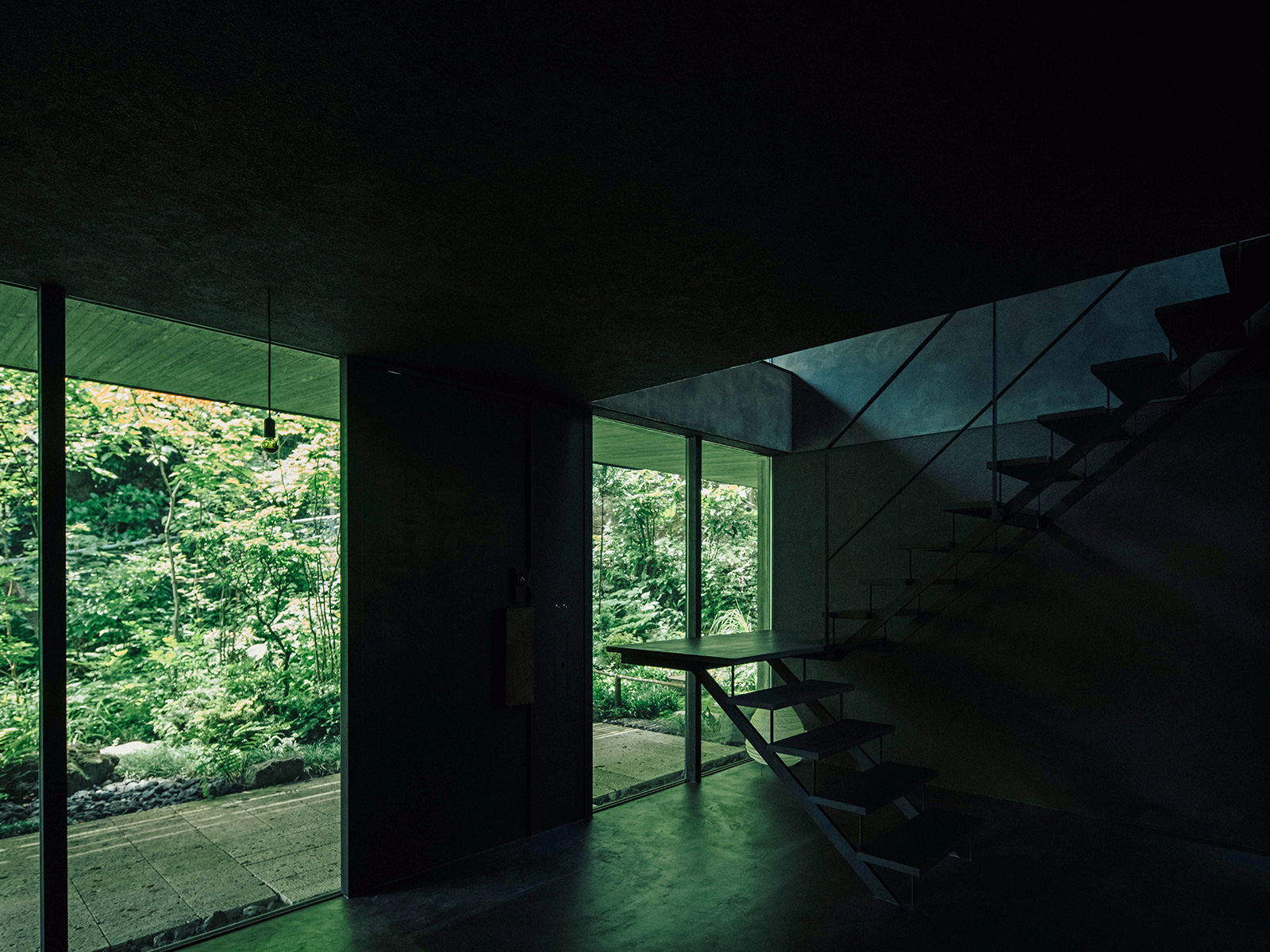
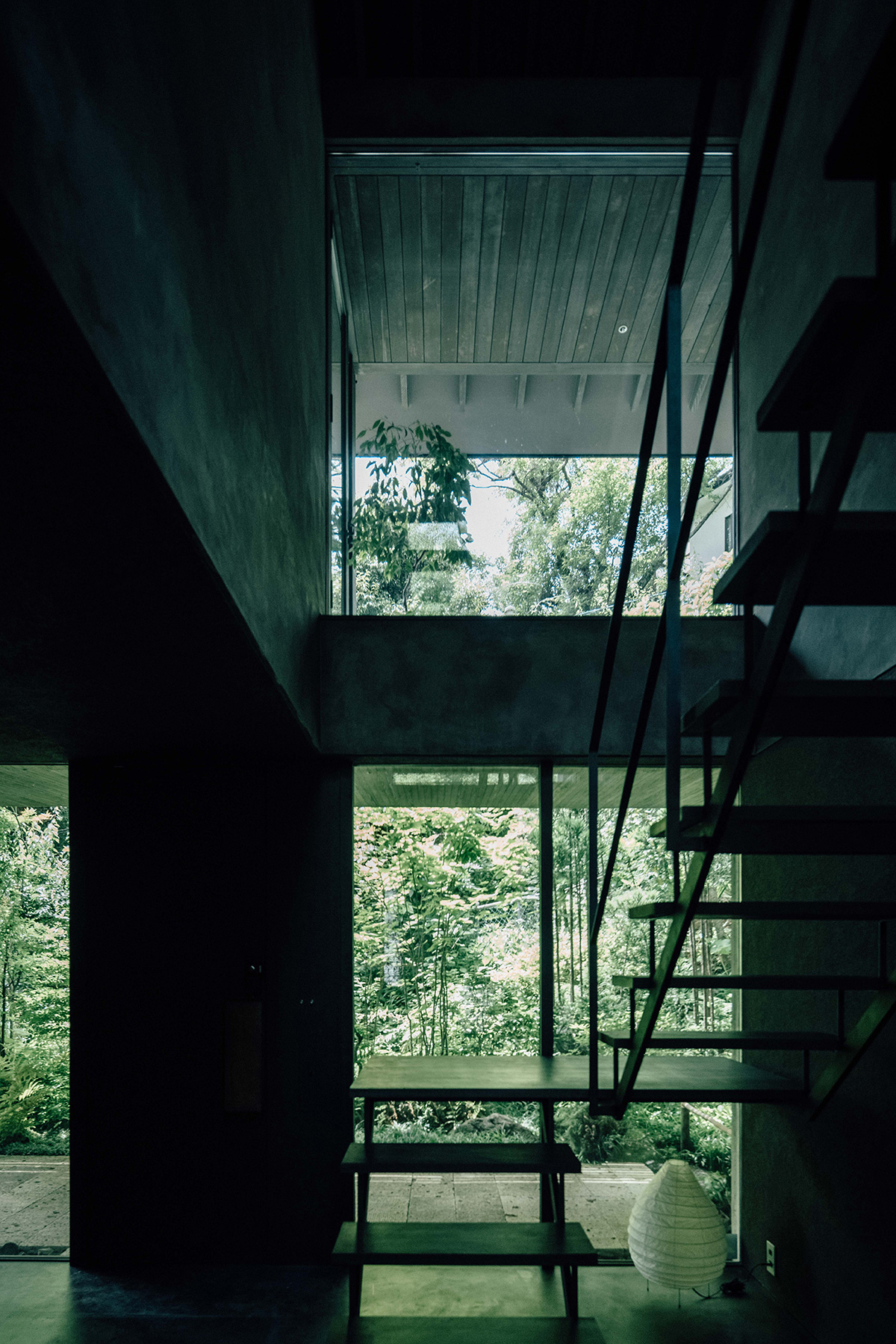
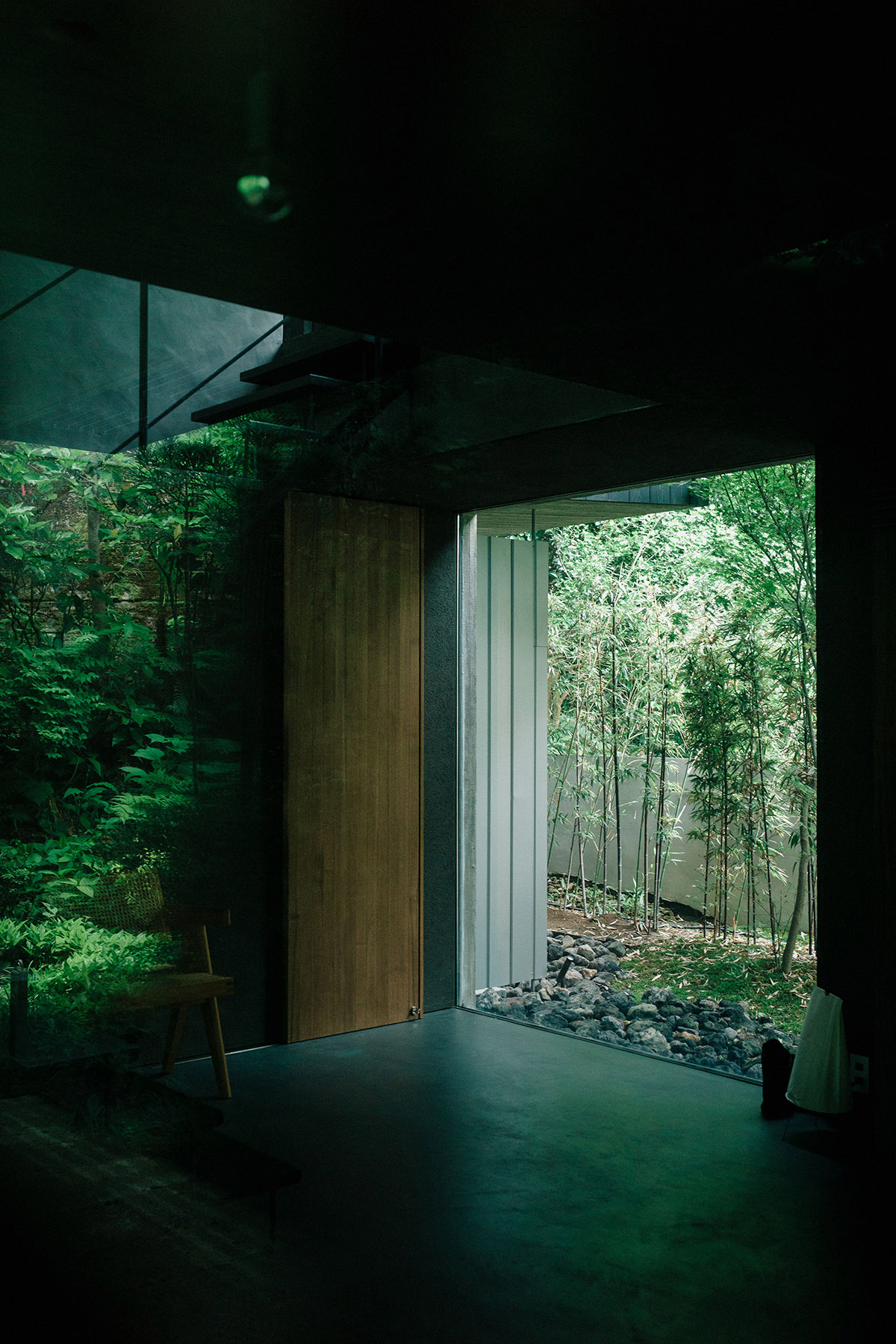
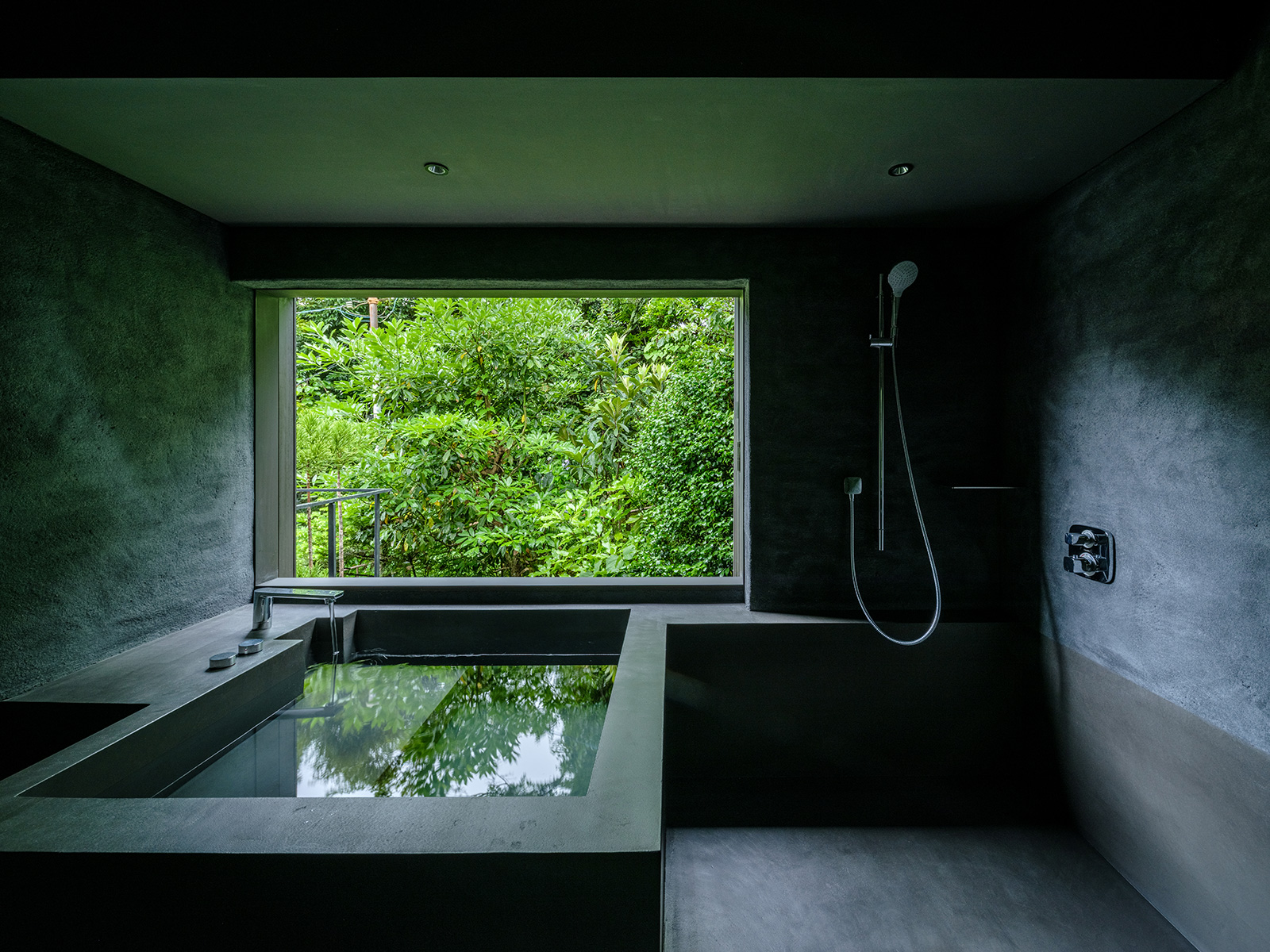
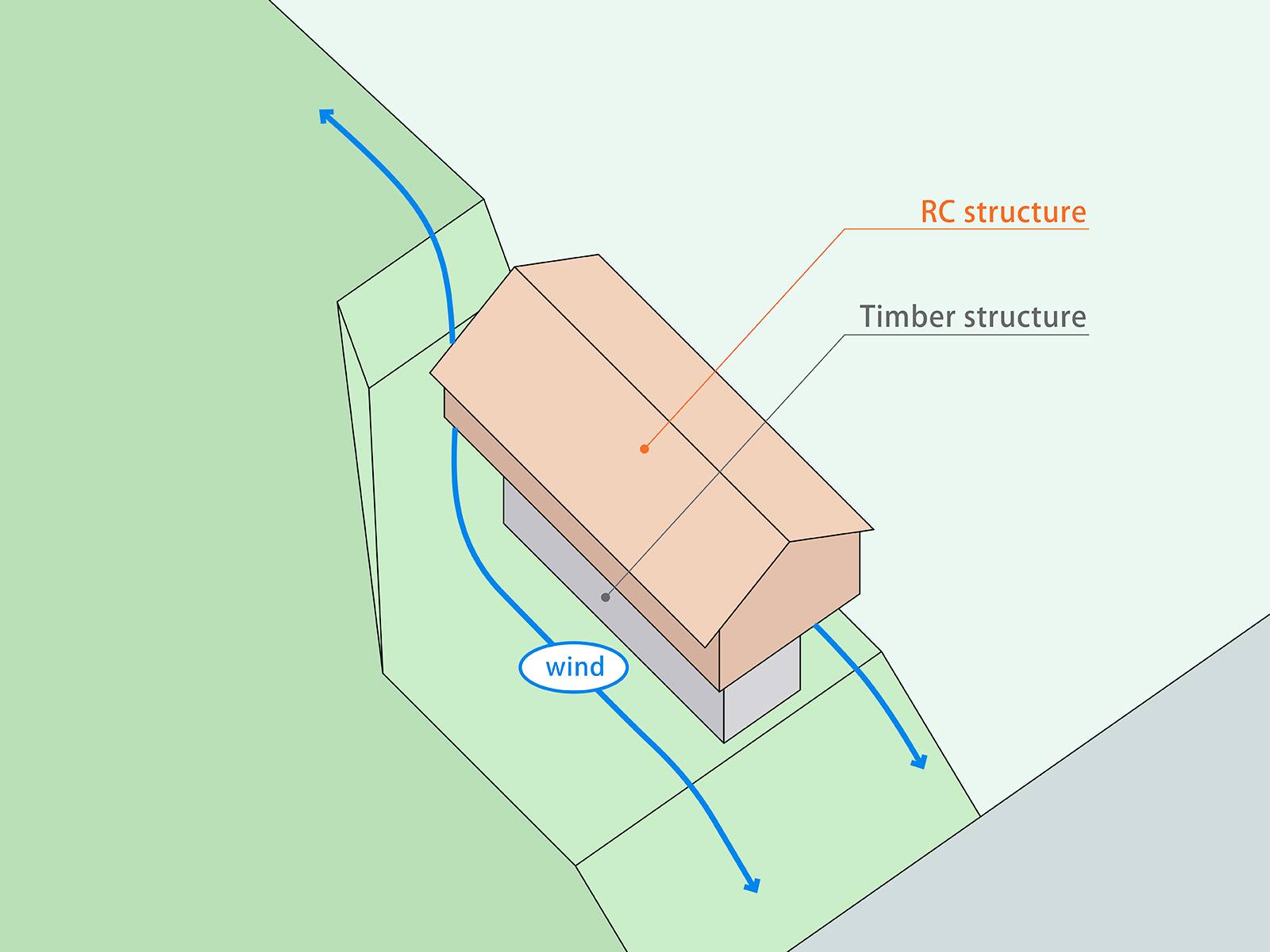
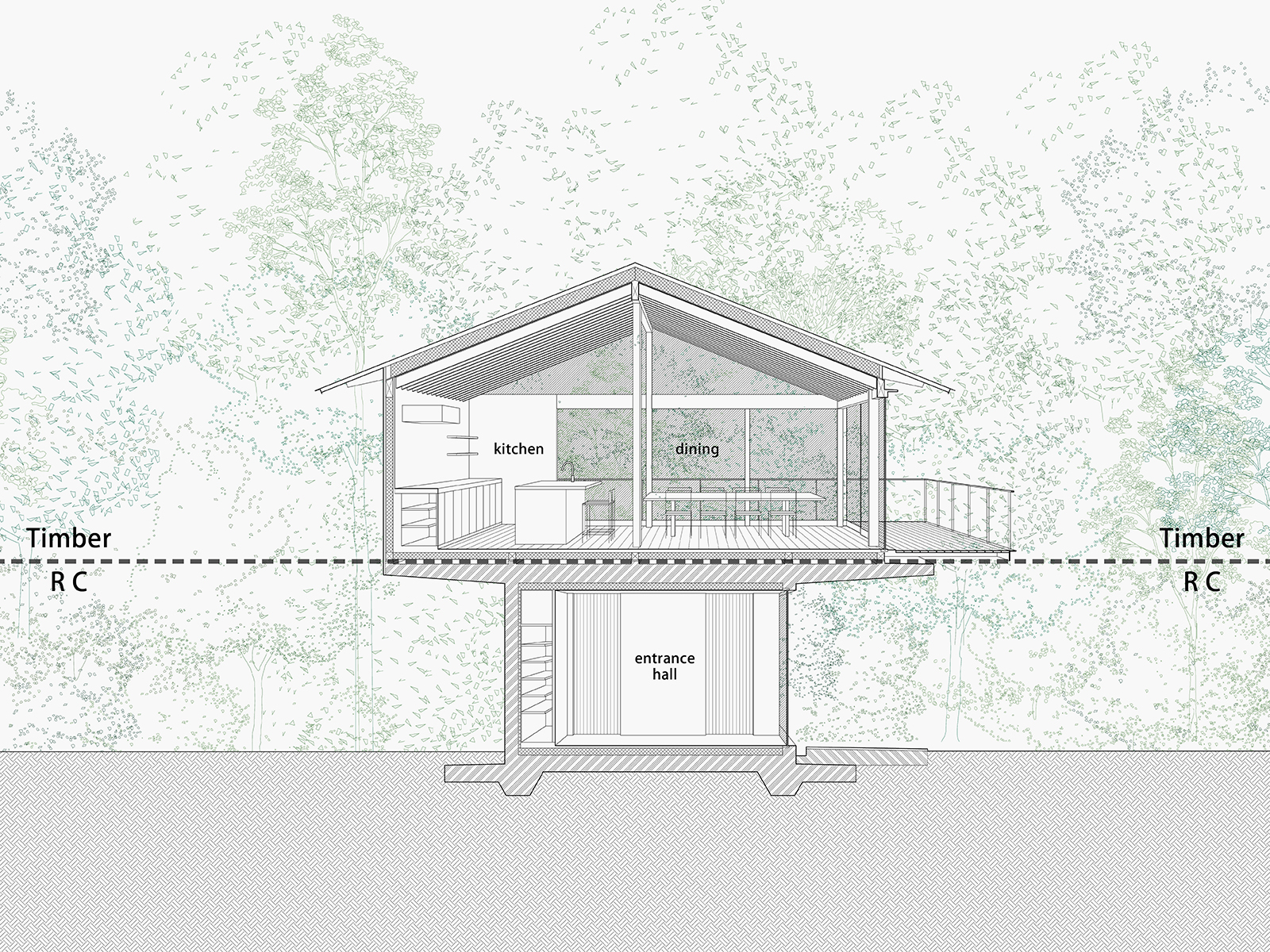
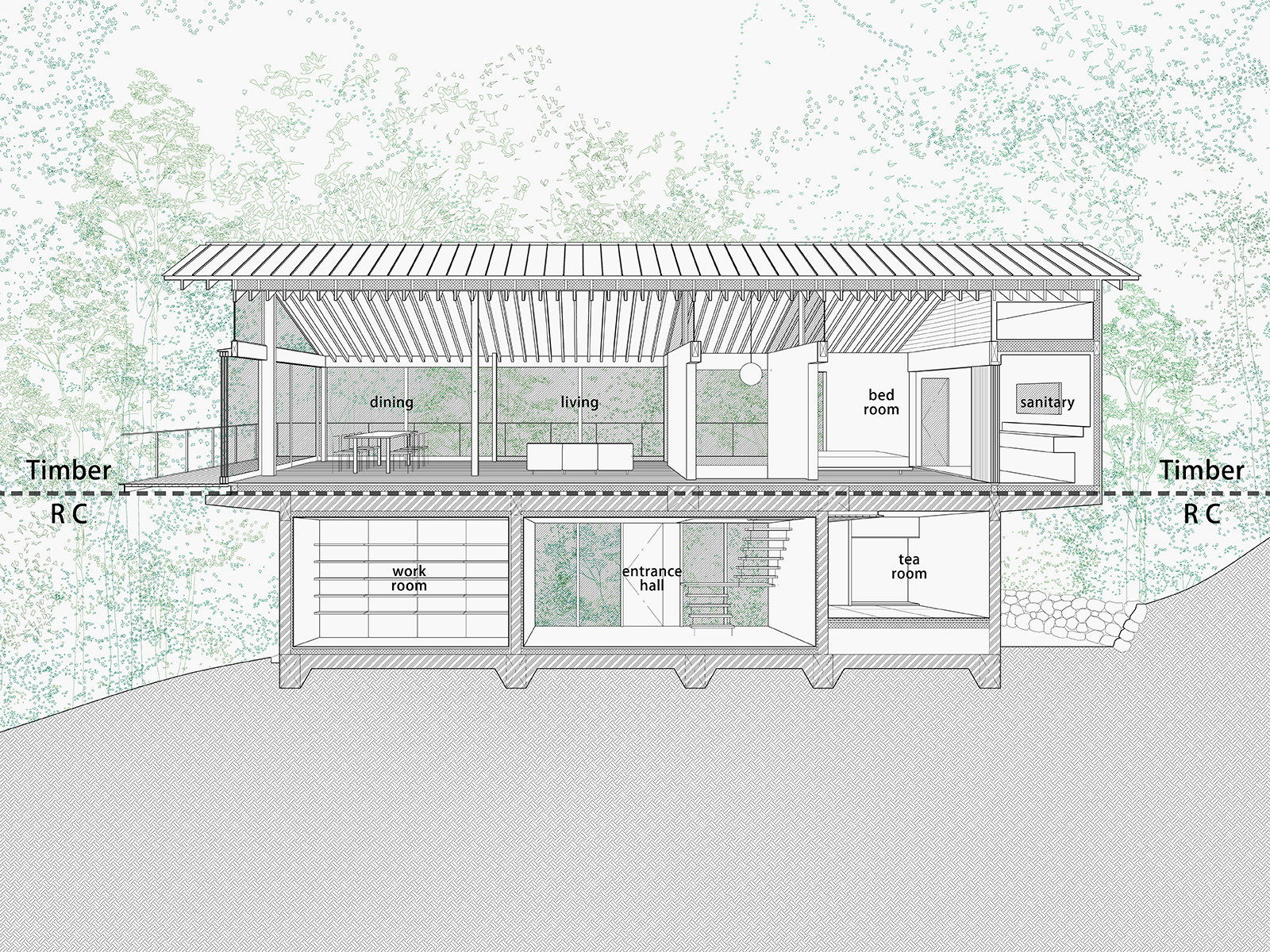
This project is a two-story residence composed of a timber-framed, house-shaped volume set atop a reinforced concrete plinth. The ground floor accommodates auxiliary functions such as a study and tea room, while the second floor houses the core domestic spaces—living room, bedroom—enclosed beneath a single gabled roof. While the house form retains classical rationality in terms of rainwater management and contextual harmony, the project deploys it further as an architectural device that symbolically expresses the will to inhabit. Its abstract and assertive geometry transforms residential intent into spatial form. In response to the diversification of dwelling values in the post-COVID era, this project reexamines the universality of the house form as a sign, and attempts to reconnect its archetypal significance with the present.